
How to Remove Automatic Sitelinks in Google Ads: A Comprehensive Guide
TL;DR:
- Quick answer: Go to Assets → Association view → Account-level automated assets → Advanced settings → expand “Dynamic sitelinks” → select Off → Save.
- This turns off ALL automatic sitelinks account-wide. There’s no way to permanently block one specific automatic sitelink while leaving the feature on for others.
- To handle just one bad sitelink without disabling the whole feature, you can pause or remove it individually from the Assets table, though Google may generate a similar one again later.
- Turning them off doesn’t touch your manually created sitelinks. Those stay exactly as you built them.
Automatic (dynamic) sitelinks are Google Ads generating and displaying its own sitelink suggestions alongside, or instead of, the ones you built manually, based on your website content and what it thinks searchers want to click. They can genuinely help ad performance, but when Google generates one that’s outdated, off-brand, or just wrong, most advertisers want it gone immediately. Here’s exactly how to do that, at both the account level and the individual sitelink level, inside any well-run Google Ads account.
Get a Free Google Ads Account Review →
Option 1: Turn Off Automatic Sitelinks Account-Wide
Use this if you want full manual control and don’t want Google generating any sitelinks going forward.
- Go to “Assets” within the Campaigns menu.
- Select “Association” from the Table view dropdown.
- Click the three-dot menu on the right, then select “Account-level automated assets.”
- Click the three-dot menu again, then select “Advanced settings.”
- Expand the “Dynamic sitelinks” card and select Off.
- Click Save.
Note: this is an account-level toggle. There’s no campaign-by-campaign version of this setting. Turning it off applies to every campaign in the account at once.
Seeing a different final screen? Google documents a second version of this setting. After “Advanced settings,” some accounts show “Account-level automated assets settings.” Choose “Turn off specific automated assets,” select Dynamic sitelinks, then click Turn off.
Option 2: Remove or Pause Just One Bad Sitelink
Use this if the dynamic sitelinks feature is otherwise working fine and you just want one specific bad result gone.
- Go to “Assets” within the Campaigns menu and select the Sitelink summary card header.
- Find the automatically generated sitelink you want gone. Automated ones appear in the list even though you didn’t create them, and checking “Automatically created” then clicking Apply shows only those.
- Select it and choose Pause or Remove from the blue bar at the top, or from the dropdown next to its status indicator.
Pause or remove? A paused dynamic sitelink won’t serve, but you can re-enable it later. A removed one disappears from your assets and can’t be re-enabled in your ads.
Keep in mind: because dynamic sitelinks regenerate based on your site content and search context, removing one specific instance doesn’t guarantee Google won’t generate a similar one again later. If a particular page or type of content keeps triggering unwanted sitelinks, the account-wide opt-out in Option 1 is the only permanent fix.
Why Did This Specific Sitelink Show Up?
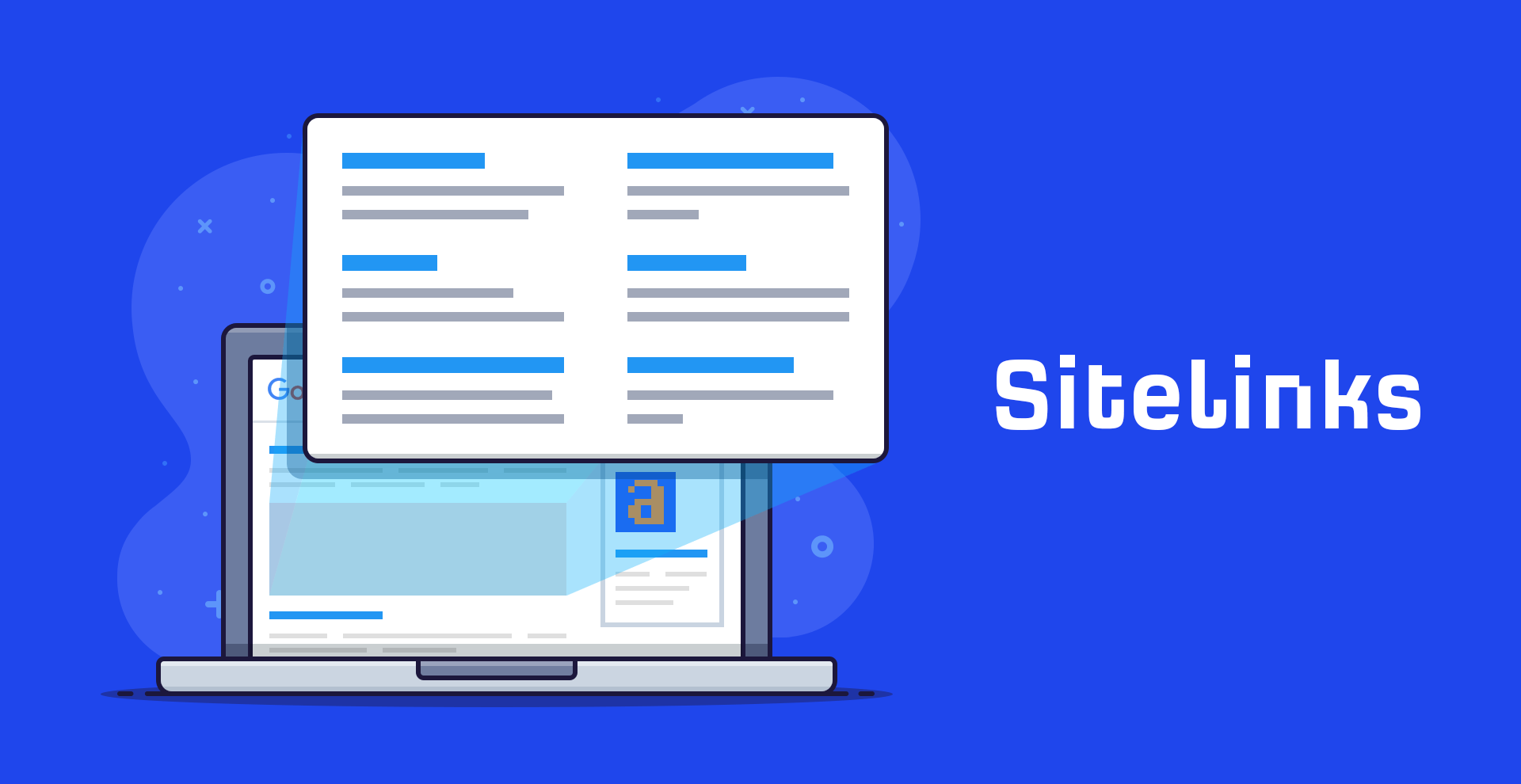
Dynamic sitelinks are generated from your website’s content and structure, matched against what Google’s systems predict a specific searcher wants to click based on their query. They’re not random. They’re an algorithmic best-guess at a relevant page, which means an outdated page, a since-removed offer, or an oddly-titled blog post can all end up surfaced as a “helpful” sitelink long after it should have stopped being relevant.
Should You Turn Them Off Entirely?
This is a genuine trade-off, not an obvious “yes.” Google reports that advertisers who increase the number of sitelinks per campaign to six can, on average, see up to 3.5% more conversions at a similar cost per conversion, and dynamic sitelinks also contribute to your Ad Strength rating. If you only have one bad sitelink out of several good automatic ones, Option 2 (removing just that one) preserves the performance benefit. If bad or off-brand sitelinks keep recurring and you’d rather have full manual control, the account-wide opt-out in Option 1 is the cleaner long-term fix, even at some cost to Ad Strength. Either way, this is one setting among many in a healthy account, and our guide to managing Google Ads campaigns successfully covers the rest.
Take Control: Add Your Own Sitelinks
Whichever option you choose, writing your own sitelinks lets you decide the link text, the destination page, and the descriptions, so your ads point exactly where you want them to.
- Go to “Assets” within the Campaigns menu.
- Click the plus button and select “Sitelink asset.”
- Enter your link text and URLs, plus descriptions if you’d like.
- Save your changes.
If you’d rather hand this off, a Google Ads management team can set up and maintain your sitelinks as part of running the account.
Frequently Asked Questions
1. Does turning off automatic sitelinks remove my manual sitelinks too?
No. Manual sitelinks you’ve created yourself are completely unaffected by this setting. Only Google-generated ones are turned off.
2. Can I turn off dynamic sitelinks for just one campaign?
No. The opt-out is an account-level setting that applies to every campaign at once. There’s no per-campaign toggle for this specific feature.
3. Will removing one bad automatic sitelink stop it from coming back?
Not necessarily. A removed dynamic sitelink can’t be re-enabled in your ads, but dynamic sitelinks regenerate based on your site content and search context, so a similar one can reappear later. If it keeps happening, the account-wide opt-out is the only guaranteed fix.
4. Will turning off automatic sitelinks hurt my ad performance?
It can have some impact, since dynamic sitelinks contribute to Ad Strength and Google reports a conversion benefit from running more sitelinks per campaign. Whether the trade-off is worth it depends on how much control you need versus how much the automatic ones are actually helping.
5. How do I know which sitelinks in my account are automatic vs. manual?
In the Assets view, check the box next to “Automatically created” and click Apply to see only the Google-generated ones. Sitelinks you created yourself will match what you originally built.
6. Is this the same setting as “Automatically created assets”?
No. Dynamic sitelinks, structured snippets, and callouts are account-level automated assets. “Automatically created assets,” which generate extra headlines and descriptions, are a separate campaign-level setting.
Want Your Google Ads Account Checked for Issues Like This?
Get a free review of your Google Ads account, including automated assets, ad strength, and settings most advertisers never think to check.
(877) 522-7738
Blogs
How to Claim Your Business on ChatGPT: Step-by-Step Guide
Learn how to claim your business on ChatGPT with this step-by-step guide to Business Hub, verification, Shopify setup, Business Agents, and insights.
Enterprise SEO: How Large Websites Can Scale Rankings Effectively
Large websites don’t win by fixing pages one at a time. Learn how enterprise SEO scales rankings through crawl control, template fixes, safe content scaling and AI search readiness.
How to Customize Sales Popups on Shopify to Match Your Brand
Learn how to customize sales popups on Shopify to match your brand, from colors, fonts, and position to message text, timing, and mobile testing.
How Shopify Sales Notifications Help Build Social Proof and Increase Sales
Learn how Shopify sales notifications build social proof, reduce shopper hesitation, and support sales, plus best practices and how to add them to your store.
Franchise SEO Challenges and How Multi-Location Brands Can Overcome Them
Franchise SEO is mostly a coordination problem. See the 10 challenges multi-location brands face, from duplicate location pages and listing drift to profile ownership and AI search, and how to fix each one at scale.
Google Ads Benchmarks 2026: What the Numbers Actually Mean for Your Account
Google Ads Search averages for 2026 are a 6.64% CTR, $5.42 CPC, 8.18% conversion rate and $66.69 cost per lead. Learn how to find your break-even CPL and which metric is holding your account back.
Best Shopify Sales Popup Apps to Boost Customer Trust and Conversions
Compare seven Shopify sales popup apps on features, customization, pricing, and ease of use, and learn how to pick one that builds trust without guesswork.
Franchise vs Enterprise Digital Marketing: Key Differences & Best Practices
Franchise and enterprise marketing both manage many locations under one brand, but they run on different rules. See who controls the budget, brand and data in each model, and the best practices that work for both.
How to Add a Shopify Sales Popup: Step-by-Step Guide
Learn how to add a Shopify sales popup in seven steps. Pick an app, set display rules, test on mobile, and track whether it works, with no coding needed.
Google Partner Rewards Store Not Working? We Hit a Redirect Loop, and Here’s What to Do
Stuck in a Google Partner Rewards Store redirect loop? Discover the exact causes behind the login bug and practical troubleshooting steps to redeem your partner points.
GloriaFood Is Shutting Down: Your 7-Step Plan and a Replacement to Try
With Oracle discontinuing GloriaFood, restaurants must plan ahead: explore a 7-step migration blueprint, data export tips, and top online ordering replacements.
Best Shopify Image Optimization Apps: How to Choose the Right Tool for Your Store
Learn what to look for in a Shopify image optimization app, the main types of tools, how to compare apps fairly, and the mistakes to avoid when choosing the right one.
Shopify Image Optimization Checklist: What to Do Before and After Uploading Product Photos
Use this Shopify image optimization checklist to prepare product photos before you upload, finish the job after, avoid common mistakes, and handle large catalogs in bulk.
Beehiiv Newsletter Platform: Pricing, Features, and Monetization Tools
Explore the beehiiv newsletter platform to streamline your communication and engage with your audience effectively.
Shopify Core Web Vitals and Images: How to Find and Fix Image-Related Speed Issues
Learn how images affect Shopify Core Web Vitals, how to find image-related speed issues, the most common mistakes, and how to fix them, including for large product catalogs.
Getting information about your case and your options is your FIRST move. Get a FREE case evaluation now…
Find Yourself a Marketing Expert Near You!
(877) 522-7738